

In the landscape architecture of 2026, the management of stormwater has moved from a civil engineering necessity to a residential design priority. Traditional non-porous surfaces like asphalt and poured concrete contribute to heat islands and destructive runoff. At TopHomeServics, we advocate for permeable paver systems—a sophisticated hardscaping solution that allows water to move through the surface and recharge the groundwater below. This approach protects your home’s foundation, reduces municipal strain, and creates a stunning, high-end aesthetic for driveways and patios alike.
The Engineering Behind the Surface
The “magic” of a permeable system is actually in the sub-base. Unlike traditional installations that use sand and fine stone dust, permeable systems utilize layers of open-graded crushed stone. These layers create vast “void spaces” that act as an underground reservoir. During a heavy rain event, water filters through the joints between the pavers and is stored in this stone reservoir until it can naturally infiltrate into the native soil. This eliminates standing water and “hydroplaning” on driveways, ensuring a safer surface for vehicles and pedestrians even during the most intense summer storms.
Durability and Resistance to Freeze-Thaw Cycles
One of the greatest enemies of traditional hardscaping is the freeze-thaw cycle, which causes concrete to crack and asphalt to heave. Permeable pavers are inherently more resilient to these temperature shifts. Because the system is flexible and the sub-base is designed for drainage, water does not get trapped and freeze under the surface. This prevents the upward pressure that leads to structural failure. Furthermore, the air gaps in the stone base act as natural insulation for the soil below. For homeowners in colder climates, this means a driveway that remains level and crack-free for decades with significantly less salt required for de-icing.
Aesthetic Versatility in 2026
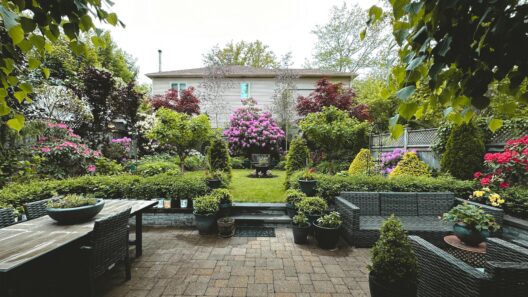
Modern permeable pavers are indistinguishable from high-end traditional stones. Whether you desire the look of weathered European cobblestones, sleek oversized modern planks, or rustic clay bricks, there is a permeable version available. In 2026, we are also seeing the rise of “Green Pavers” or turf-block systems, where grass or moss grows in the voids between the concrete structure. This blurs the line between hardscape and softscape, creating a “living driveway” that stays cool in the sun and adds a unique, lush character to the property’s curb appeal.