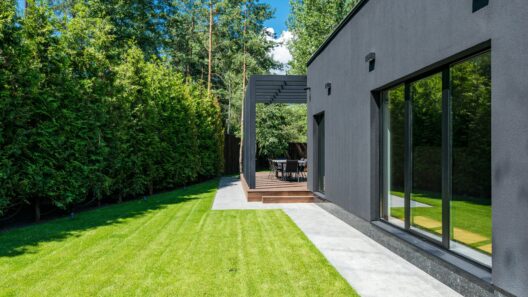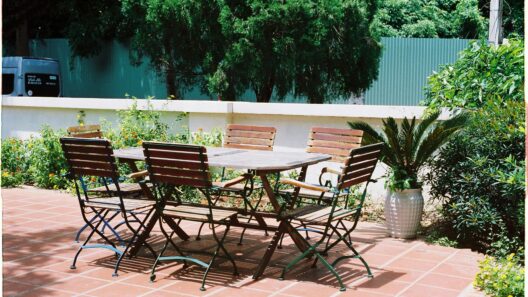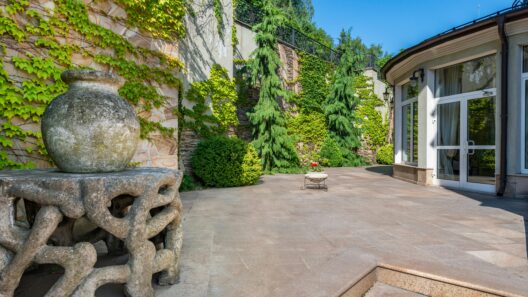
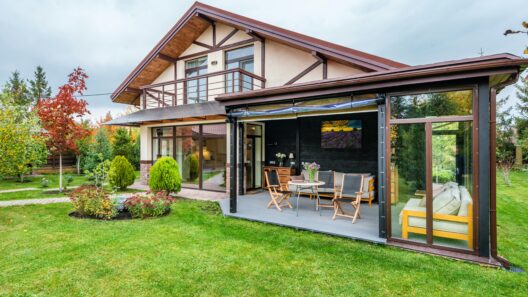
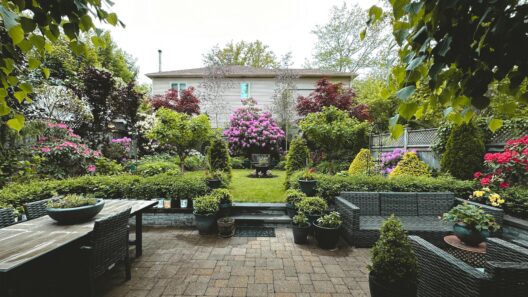


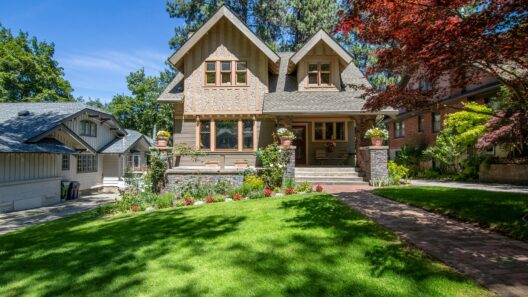
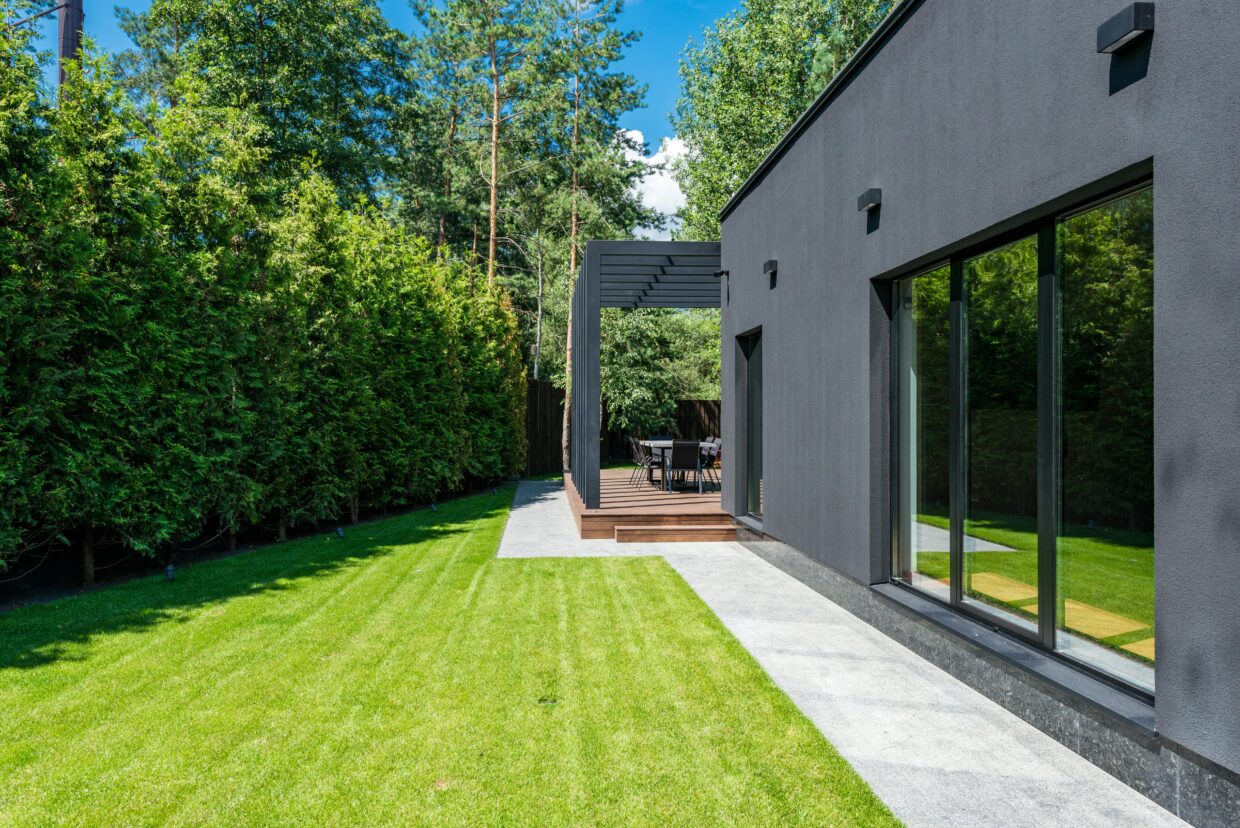
Many homeowners view landscaping as a discretionary expense—an “aesthetic extra.” However, financial data from 2026 tells a different story. Professional, sustainable landscaping is one of the few home improvements that actually appreciates in value over time. While a kitchen remodel begins to deprecate the moment it is finished, a well-planned landscape grows, matures, and becomes more valuable every year. At TopHomeServics, we treat your yard as a strategic financial asset that delivers significant returns in curb appeal, energy savings, and lifestyle quality.
Direct Equity: The 15% Property Value Boost
Real estate studies consistently show that homes with “excellent” landscaping sell for 10% to 15% more than identical homes with “average” yards. In the luxury market, this gap is even wider. Prospective buyers in 2026 are looking for an “Outdoor Lifestyle Package.” A property that features a professional outdoor kitchen, a sustainable native garden, and smart lighting is perceived as a complete, move-in-ready sanctuary. This perception reduces “days on market” and often triggers multiple-offer scenarios, providing a return on investment that far exceeds the initial installation cost.
Operational ROI: Reducing Utility and Maintenance Costs
Beyond equity, sustainable landscaping provides an immediate “Operational ROI.” By strategically placing deciduous trees on the southern and western sides of the home, you provide natural shade that can lower indoor temperatures by up to 10 degrees, drastically reducing summer air conditioning bills. In the winter, these same trees lose their leaves, allowing the sun to provide natural solar heating. Furthermore, by transitioning to native plants and smart irrigation, homeowners save thousands of dollars annually in water bills, chemical treatments, and professional mowing services. These cumulative savings often allow a premium landscape project to pay for itself within 5 to 7 years.