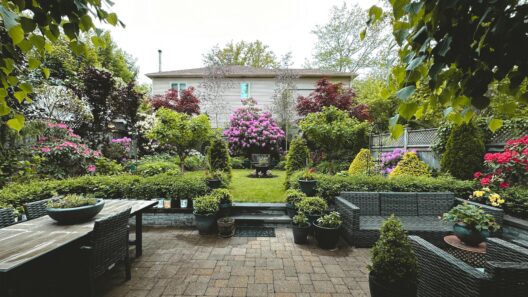


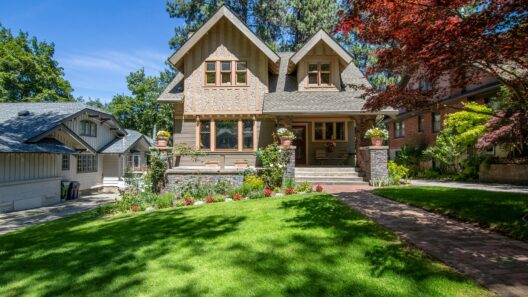
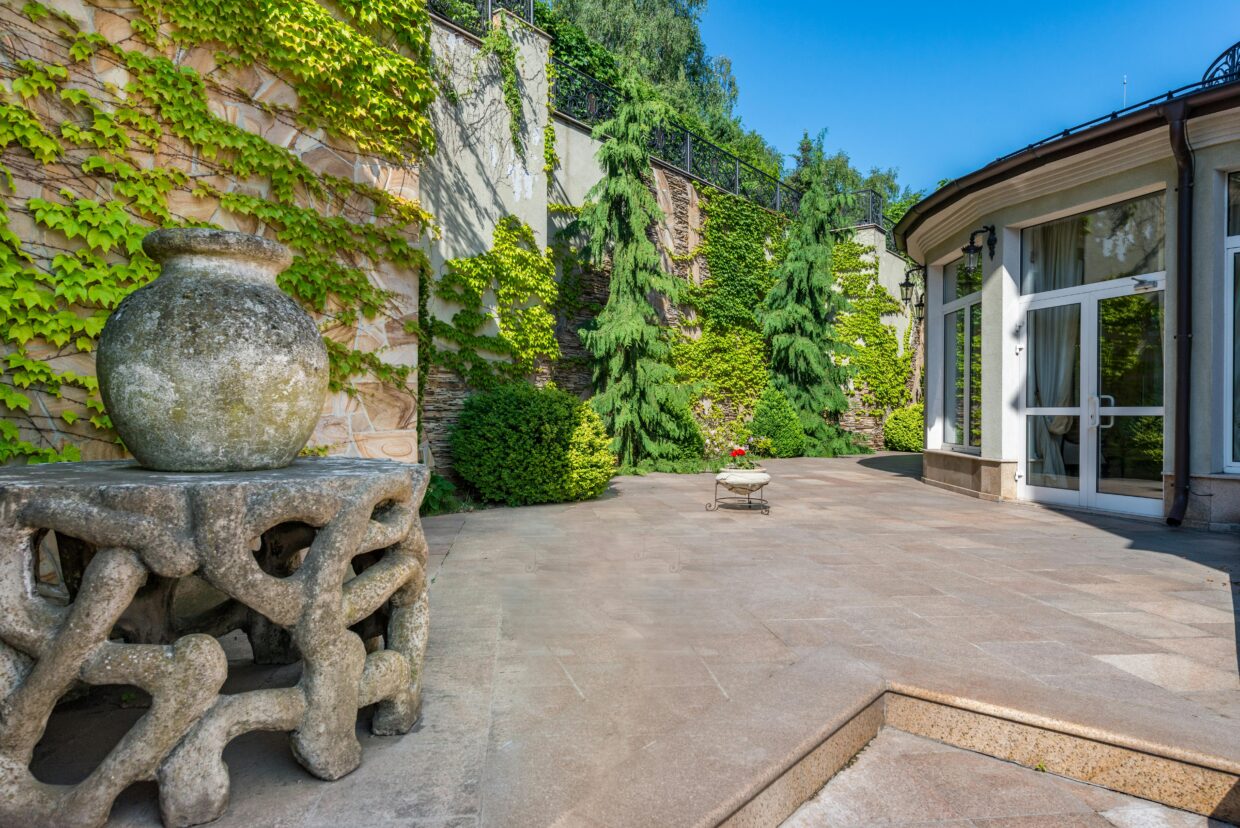
Native plants are often misunderstood as “wild” or “unruly,” but in the context of high-end sustainable landscaping, they are the high-performance engines of the garden. As we face a changing climate in 2026, the reliance on exotic, high-maintenance species is becoming a liability. TopHomeServics advocates for a “Native-First” design philosophy. By utilizing flora that has evolved over millennia to thrive in your specific region, we create landscapes that are not only beautiful but are also ecologically functional and incredibly resilient.
The Resilience Factor: Survival Without Life Support
Native plants possess a “genetic memory” of local weather extremes. Whether it’s a record-breaking drought or an unseasonable frost, these species have developed the physiological mechanisms to survive. Their deep, complex root systems—often extending several feet into the earth—allow them to access water and nutrients that pampered exotic plants cannot reach. This means that once established, a native garden requires virtually zero supplemental watering and zero synthetic fertilizers. For the homeowner, this translates to a massive reduction in maintenance hours and chemical costs, creating a truly “set-and-forget” landscape that remains vibrant year-round.
Supporting Pollinators and Local Biodiversity
A garden is more than a visual backdrop; it is a biological corridor. Native plants have co-evolved with local pollinators, such as specialized bees, butterflies, and birds. Many pollinators are “specialists,” meaning they can only feed on or lay eggs on specific native host plants. By removing these plants and replacing them with sterile, exotic varieties, we inadvertently collapse the local food web. In 2026, a “luxury” garden is defined by the life it supports. A yard filled with the sound of songbirds and the sight of Monarch butterflies is a dynamic, living environment that provides a much deeper level of satisfaction than a static, plastic-looking lawn.
Aesthetic Modernity: Designing with Native Species
Modern native landscaping is far from a messy meadow. We apply formal design principles—mass planting, rhythmic repetition, and clean edges—to native species to create a “Couture Nature” look. For example, using native ornamental grasses in large sweeps provides a sense of movement and texture that rivals any European design. Native shrubs can be hedged for privacy, and native perennials provide a rotating calendar of colors that are perfectly synced with the local seasons. At TopHomeServics, we prove that you don’t have to choose between a “neat” yard and a “green” yard; you can have an elegant, structured garden that is a powerhouse of sustainability.