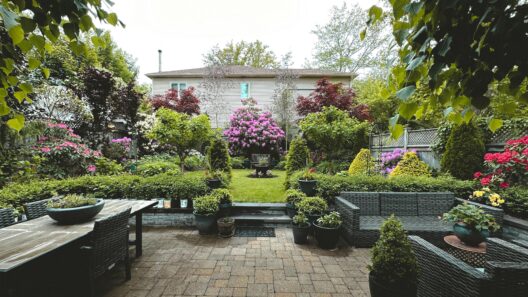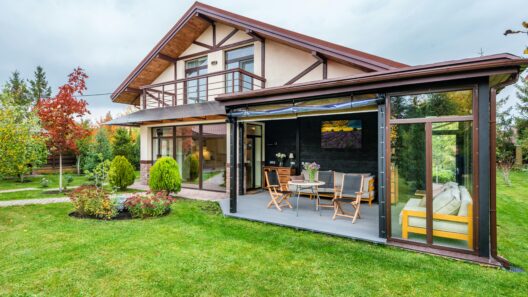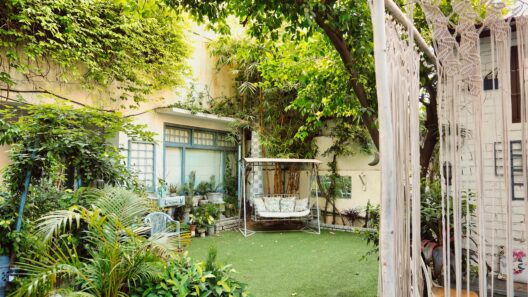


Urban living often means compromising on outdoor square footage, but at TopHomeServics, we believe that a small footprint should never limit your vision. In 2026, “Micro-Gardening” and high-density outdoor design have become an art form. By applying clever architectural principles and multifunctional elements, we can transform even a tiny balcony or a 10×10 patio into a lush, multi-functional oasis that feels twice its actual size.
The Power of Verticality
When horizontal space is at a premium, we look upward. Vertical gardening is the cornerstone of small-space design. In 2026, we utilize modular “living wall” systems with integrated hydroponic irrigation. These systems allow you to grow everything from decorative ferns to edible herbs on your fencing or exterior walls. Not only do these green walls provide a stunning visual focal point, but they also act as natural sound insulation and help cool the surrounding air through transpiration. By “clothing” your boundaries in greenery, you blur the edges of your property, creating an illusion of boundless space.
Multifunctional Furniture and Hidden Storage
Every element in a small garden must serve at least two purposes. We design custom-built benches that double as airtight storage for gardening tools or cushions. Fire pits that come with specialized covers can be used as coffee tables during the day. In 2026, we are seeing a trend toward “fold-away” outdoor kitchens—compact units that can be closed and tucked away when not in use. By reducing clutter and keeping surfaces clear, the eye moves freely across the space, making the environment feel open and airy rather than cramped and chaotic.
Optical Illusions and Floor Patterns
The way you lay your flooring can dramatically change the perception of size. Using large-format porcelain pavers (60x120cm) with minimal grout lines makes a patio look expansive because there are fewer visual breaks. Diagonal patterns or “long-plank” composite decking can be used to lead the eye toward the furthest corner, creating a sense of depth. Furthermore, the strategic use of mirrors—specially treated for outdoor use—on a back wall can reflect the garden back at itself, effectively doubling the perceived greenery and light.
Lighting and Color Palette
For small spaces, a monochromatic or limited color palette is essential to avoid visual overwhelm. We recommend light, neutral tones for hardscaping to reflect light and keep the area feeling bright. Lighting should be used to draw attention to the perimeters; by illuminating the furthest corners and the vertical garden walls, the boundaries “recede” into the night, making the garden feel like it extends into the darkness. A few well-placed uplights on trees can add a vertical dimension that draws the eye skyward, emphasizing the height of the space rather than its narrow width.