


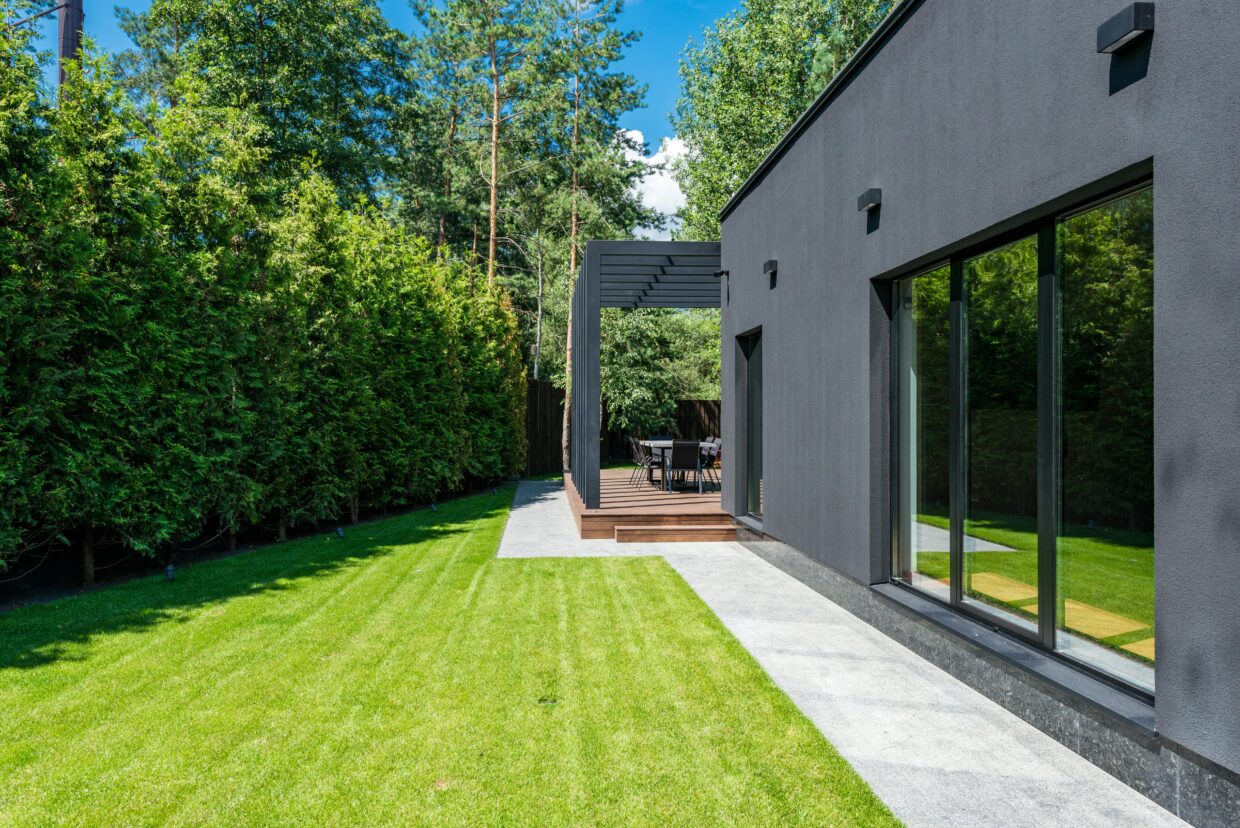
Sustainability is no longer just a buzzword in the world of landscaping; it is a fundamental shift in how we interact with our local ecosystems. As water scarcity becomes a more pressing global issue, homeowners in 2026 are turning toward eco-friendly landscaping—often called “Greenscaping”—to create beautiful, low-maintenance yards that actively support the environment rather than drain its resources.
Understanding Xeriscaping and Water Conservation
At the core of sustainable gardening is xeriscaping. This design philosophy focuses on selecting drought-tolerant plants that thrive in their natural environment with minimal supplemental irrigation. By reducing the amount of high-maintenance turf grass and replacing it with mulch, decorative gravel, and hardy perennials, a homeowner can reduce their outdoor water usage by up to 60%. In regions prone to heatwaves, this isn’t just an environmental choice—it’s a financial one that significantly slashes monthly utility bills.
The Role of Native Plants and Biodiversity
The benefits of native plants extend far beyond water savings. Native species have co-evolved with local pollinators, including bees, butterflies, and birds. By incorporating a diverse palette of native flora, you are creating a biological corridor that supports local wildlife. These plants are naturally resistant to local pests and diseases, meaning you can virtually eliminate the use of synthetic fertilizers and toxic pesticides. This creates a safer environment for your children and pets while fostering a healthier backyard ecosystem.
Permeable Solutions and Rainwater Management
Sustainable landscaping also involves managing how water moves across your property. Traditional concrete driveways and patios contribute to stormwater runoff, which carries pollutants into local waterways. In 2026, permeable pavers and rain gardens are the preferred solutions. Permeable paving allows water to filter through the surface and recharge the groundwater below, preventing erosion and protecting your home’s foundation. Rain gardens—depressions planted with deep-rooted vegetation—act as natural filters, capturing and cleaning runoff during heavy storms.
Soil Health: The Foundation of Sustainability
A truly green garden starts beneath the surface. Modern eco-friendly gardening emphasizes soil health through composting and organic mulching. Instead of discarding lawn clippings and kitchen scraps, homeowners are converting them into “black gold” to enrich their soil. Healthy soil with high organic matter retains moisture better, supports beneficial microbes, and produces stronger, more resilient plants. This holistic approach ensures that your garden is self-sustaining and vibrant for the long term.