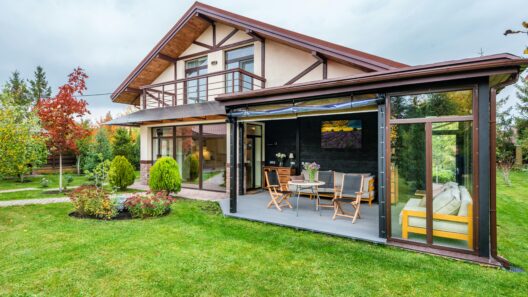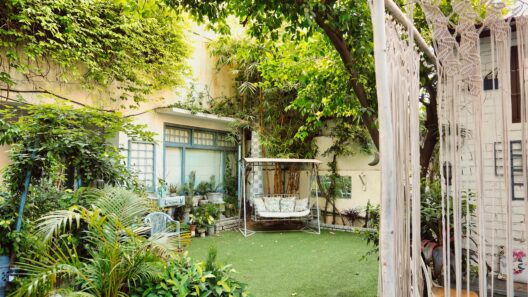
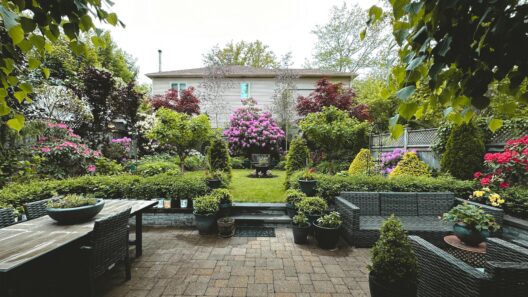

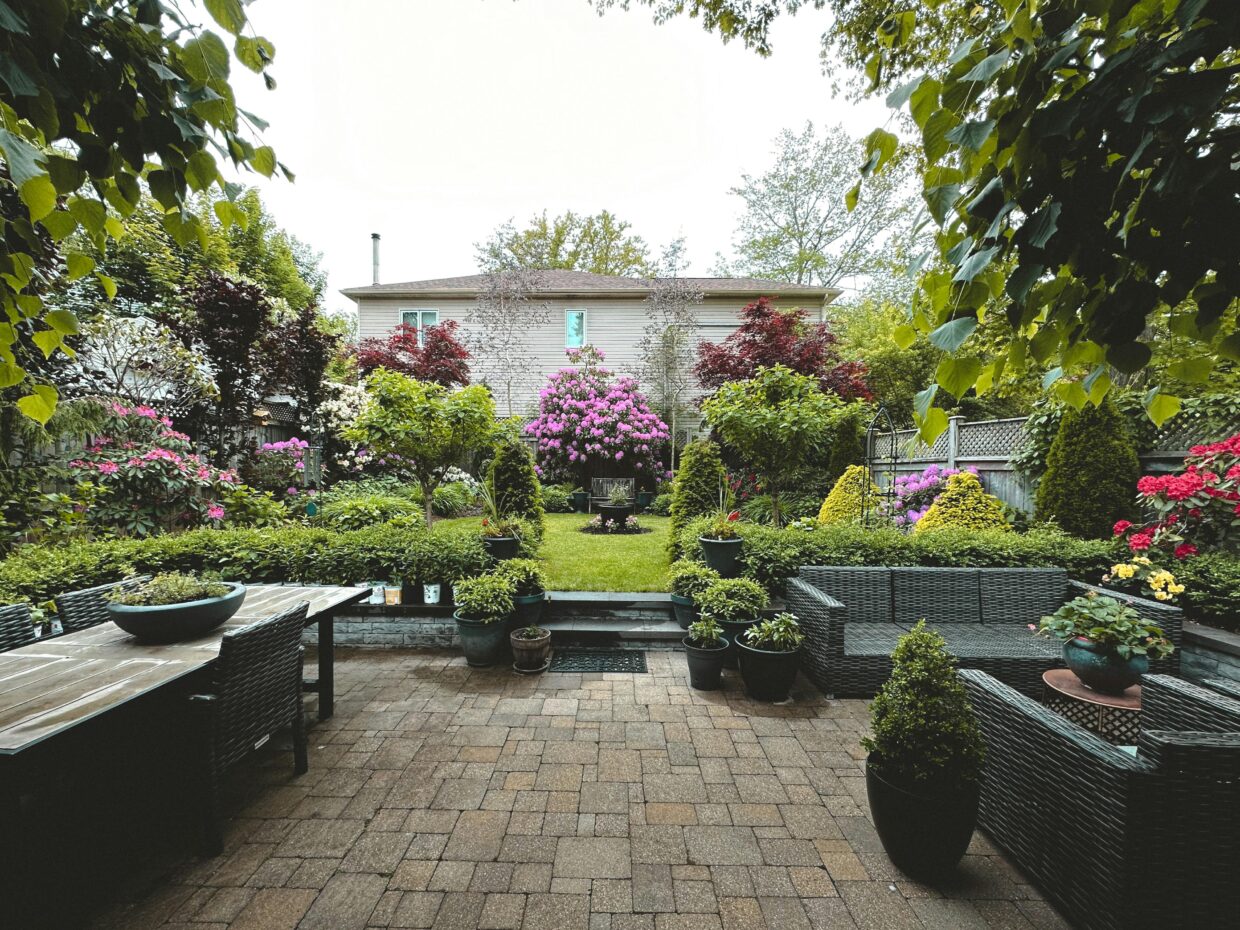
In 2026, the concept of the “backyard” has undergone a radical transformation. No longer just a patch of grass for weekend recreation, the modern outdoor space is now a sophisticated, fully functional extension of the home’s interior. At the heart of this evolution is the professional-grade outdoor kitchen. Homeowners are increasingly looking to move their entire culinary experience outside, blending luxury, technology, and nature into a single cohesive environment.
The Evolution of Outdoor Culinary Spaces
The journey from a simple portable charcoal grill to a built-in stone island with smart appliances has been driven by the desire for seamless indoor-outdoor living. Today’s outdoor kitchens are equipped with features that were once exclusive to high-end indoor spaces: wood-fired pizza ovens, weatherproof wine coolers, power burners, and even AI-integrated refrigerators that can monitor inventory and suggest recipes based on what’s inside. This shift is not just about convenience; it’s about creating a lifestyle hub where cooking becomes a shared social performance.
Choosing Durable Materials for 2026
When investing in an outdoor kitchen, durability is the primary concern. Unlike indoor cabinets, outdoor structures must withstand UV radiation, extreme temperature fluctuations, and moisture. Marine-grade stainless steel (316 grade) has become the gold standard for cabinetry due to its exceptional resistance to corrosion. For countertops, granite remains a top choice because of its natural durability, but we are seeing a rise in porcelain pavers and dekton surfaces, which offer nearly zero porosity and incredible heat resistance. These materials ensure that your investment looks as good in ten years as it does on the day of installation.
Layout Optimization and the “Work Triangle”
Just like indoor design, the outdoor kitchen relies on the “work triangle”—the distance between the grill (cooking zone), the sink (prep zone), and the refrigerator (storage zone). In 2026, we are expanding this concept to include “social zones.” By incorporating island seating and integrated fire features, the cook remains part of the conversation. Proper zoning prevents foot traffic bottlenecks and ensures that the host can entertain effortlessly while managing a multi-course meal.
Smart Integration and Lighting
Technological integration is what defines a 2026 outdoor kitchen. Wi-Fi-enabled pellet grills allow you to monitor meat temperatures from your smartphone, while automated LED lighting systems adjust the ambiance based on the time of day. Task lighting over the prep area and accent lighting under the toe-kicks create a safe and visually stunning environment for night-time entertaining. Investing in these details not only improves the user experience but significantly boosts home equity.
Ultimately, a professional outdoor kitchen is more than a home improvement project; it is an investment in your quality of life. By choosing the right materials, optimizing the layout, and embracing smart technology, you create a sanctuary that will be the envy of the neighborhood for years to come.